


It is Friday morning. Mother is the first to wake up. She lights the oven. On Fridays, she kneads bread for the entire week. She keeps the sifted flour in a special wooden chest, and in one corner of it she always keeps a sourdough starter. After every kneading, Mother leaves a piece of the risen dough for the next time.
With this starter she prepares doughs that need to rise—biscochos. She keeps the baked bread wrapped in a white sheet in a separate wooden chest with a lid. Then she cooks dishes for the Shabbat dinner, and the rest of the weekend.
My sisters, Blanca and Rifka, and I help her. We follow Mother through the house and, following her advice, do all the necessary work. There is so much love, togetherness, and liveliness between these walls, washed by the mild morning sun. The floorboards creak with the joy of our footsteps, and Mother’s voice caresses my soul.
The day passes. Time flows on.
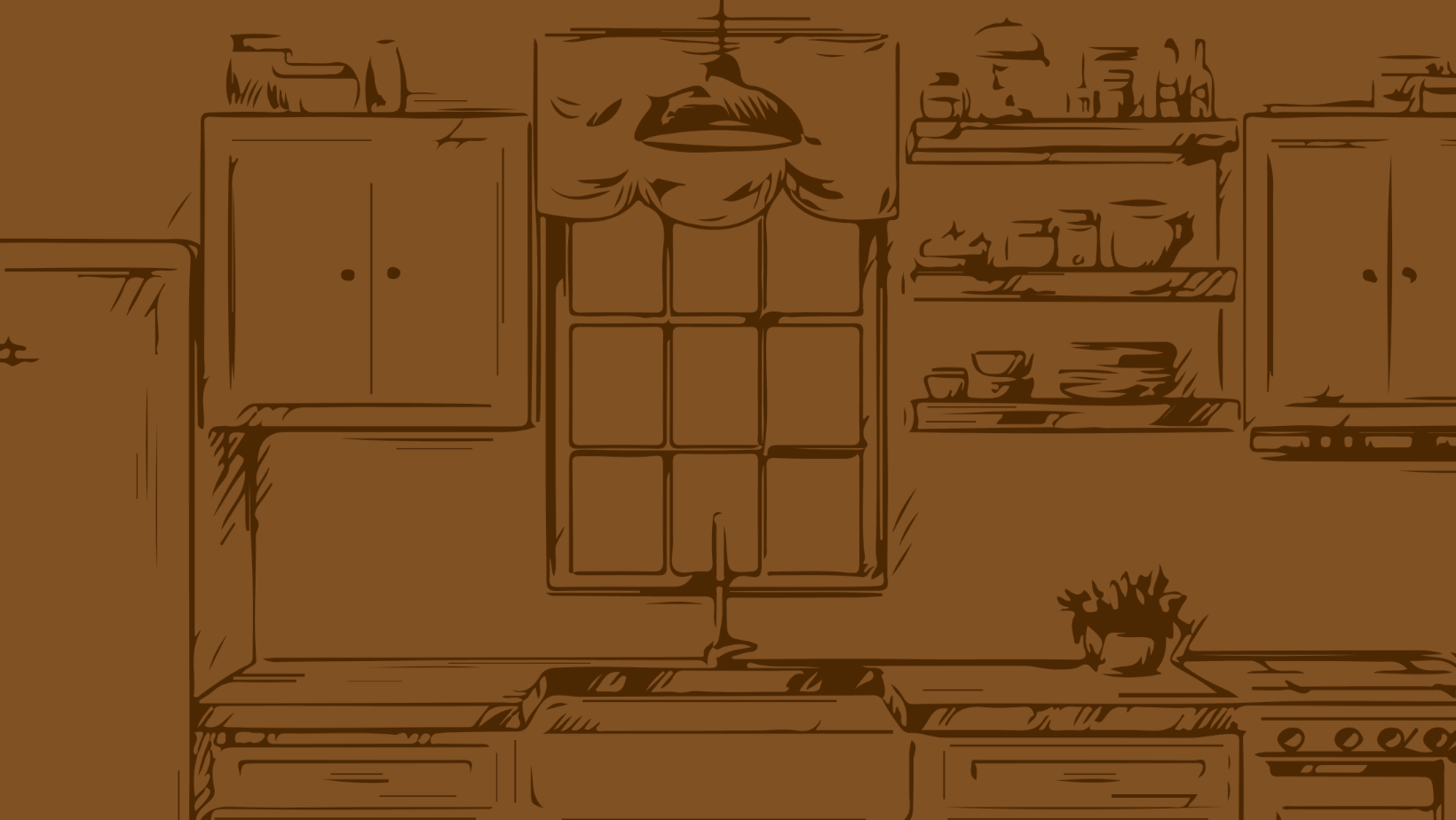
When we were younger, while Mother was preparing buriquitas, I used my small, childish hands to crush a lump of sea salt in the brass mortar, grinding it fine, while Rifka ground roasted coffee in the brass mill with a handle. In the cupboard we keep the coffee and sugar in tin boxes. Above the sink hangs a water can with a small tap. In one corner lies a bar of homemade soap. Blanca, being the eldest, washes the dishes with wood ash.
The day passes. Time flows on.
“It’s neither Saturday, nor is the ducat on the ground,” I hear Mother say in a slightly serious voice as the rustle of her dress comes closer and closer to me.
As we grew up, Mother altered and mended our clothes so they could be worn until they were completely torn. Even then, she would cut the torn garments into thin strips, join them together, and from them weave the rug in the hallway and knit the bedspread for the smaller room.
When Mother finishes the handwork she prepares for our dowries, she places it in the chests in the basement. What treasure is hidden in those chests! Cloths embroidered with the finest red, green, yellow, and blue-silver thread—what beauty!
“He who does not work does not eat,” I hear Mother say.
“The stomach is not filled with words!”
“He who does not work does not eat,” I repeat Mother’s words to myself. The stomach is not filled with words. The day passes, and time with it.
In the pot, beans are boiling for tonight. The wine for kiddush is ready. We will put the eggs on to boil later. Now Blanca is preparing buriquitas with meat and pumpkin. They are light and quick to prepare.
She puts one cup of oil, one cup of water, and a scant teaspoon of salt over the fire to boil. She removes the pot from the heat and suddenly adds half a kilogram of sifted, warmed flour, stirring quickly with a wooden spoon.
“Blanca, add a little more flour so the dough becomes soft,” Mother says, and her voice echoes between the kitchen walls like the most melodious Spanish romance, lingering there to quiver and dance like the fluttering of white butterfly wings in spring across the greening fields, valleys, and hills around Monastir.
“So the dough becomes soft,” Blanca repeats with a gentle smile.
“As soft as an earlobe!” the three of us say in one voice, laughing. Our laughter flies out like a white dove through the open window, echoing through the Jewish Quarter and the surrounding alleys, soaring high into the blue, clear sky.
The day passes, and time with it.
“A mother tongue never dies, and the Sephardic culture and tradition will live on through you, my dear children,” Mother says. “Remember my words and do not forget: hope nourishes faith.”
Blanca obediently adds a little more flour. She forms small balls from the mixture and rolls them out with a rolling pin. In the middle of each crust she places the filling that Rifka prepared from ground meat sautéed with a little water, onion, pepper, salt, five peeled and finely chopped olives—my task—and an egg.
I love eating buriquitas with walnuts or hazelnuts the most.
Blanca folds the dough in half and cuts the pieces with a glass so that they take on the shape of a crescent moon. She lines them up on a greased baking tray, brushes them with egg white, and sprinkles them with sesame seeds. Then she places the tray in the oven.
The whole house begins to smell of warm dough, soft as a soul and deliciously baked—sweet and savoury little beauties.
Blanca opens the oven. The buriquitas have turned golden brown.
“Mmmm . . .”
She takes out the tray and covers it with a cotton cloth. Tomorrow, for Saturday breakfast, after the men return from the synagogue, we will bring them to the table with boiled eggs and anise rakija.
The day passes, and time with it.
“Remember, my children, where two eat, three can eat as well. Bread, salt, and goodwill!” Mother says as she prepares an onion stew in a copper pan for Sunday lunch, because Sunday is laundry day and there is much work to be done.
She adds cubed beef and sautés it with three tablespoons of oil. I chop seven onions, though it tastes even better in winter when we replace half the onions with leeks and, instead of grated tomatoes, add a large spoonful of tomato paste.
Once the meat has softened, she transfers it to a copper pot and adds a cup of water, a small cup of rice, a whole head of garlic, two peppers, parsley, celery, black pepper, red paprika, and salt.
The day passes, and time flows on.
I love Friday and Saturday the most. I love Shabbat as much as I look forward to Rosh Hashanah, Yom Kippur, Sukkot, Hanukkah, Las Frutas, Purim, and Pesach. I love the preparations: rice pudding and small cookies for the Purim plate, pandispan and mlechnik, but most of all pastel dultsi.
I love the breakfasts, lunches, and dinners when we are all around the table—Isaac, Abraham, Blanca, Rifka and I, with Mother and Father—together for Shabbat, which I always await with immeasurable joy.
“Hana, Blanca, Rifka—remember, my daughters,” Mother says while we help her spread the tablecloth. “A house without a woman will crumble. Be thrifty in everything.”
She places the bread in its embroidered cover and sets linen napkins with monograms for everyone. If any bread remains, it is carefully wrapped for the next meal.
My older brothers, Isaac and Abraham, join Father in the prayer. Mother lights the candles and pours a little wine into small glasses for each of us. Shabbat begins, and the house fills with quiet peace.
Mother stands while the prayer is read. She is the last to sit at the table and the first to rise.
The candlelight flickers softly across the faces of my brothers and sisters, of Mother and Father. Father reads the Sabbath prayer in a calm voice, and at the end we all answer, “Amen.”
Mother gives each of us a piece of bread with salt and blesses us: “For health and joy.” Para salu i alegriya.
After dinner she prepares the beds for sleep, spreading reed mats on the floor and laying mattresses over them. In winter, when the brazier must be extinguished for the night, she wraps warm bricks in our bedding so that we will not feel the cold.
Time passes.
Para salu i alegriya.
For health and joy.
Mother’s voice echoes softly as I fall asleep, drifting into the land of dreams and fairy tales.
It is Friday morning. Mother is the first to wake up. She lights the oven. On Fridays, she kneads bread for the entire week. She keeps the sifted flour in a special wooden chest, and in one corner of it she always keeps a sourdough starter. After every kneading, Mother leaves a piece of the risen dough for the next time.
With this starter she prepares doughs that need to rise—biscochos. She keeps the baked bread wrapped in a white sheet in a separate wooden chest with a lid. Then she cooks dishes for the Shabbat dinner, and the rest of the weekend.
My sisters, Blanca and Rifka, and I help her. We follow Mother through the house and, following her advice, do all the necessary work. There is so much love, togetherness, and liveliness between these walls, washed by the mild morning sun. The floorboards creak with the joy of our footsteps, and Mother’s voice caresses my soul.
The day passes. Time flows on.
When we were younger, while Mother was preparing buriquitas, I used my small, childish hands to crush a lump of sea salt in the brass mortar, grinding it fine, while Rifka ground roasted coffee in the brass mill with a handle. In the cupboard we keep the coffee and sugar in tin boxes. Above the sink hangs a water can with a small tap. In one corner lies a bar of homemade soap. Blanca, being the eldest, washes the dishes with wood ash.
The day passes. Time flows on.
“It’s neither Saturday, nor is the ducat on the ground,” I hear Mother say in a slightly serious voice as the rustle of her dress comes closer and closer to me.
As we grew up, Mother altered and mended our clothes so they could be worn until they were completely torn. Even then, she would cut the torn garments into thin strips, join them together, and from them weave the rug in the hallway and knit the bedspread for the smaller room.
When Mother finishes the handwork she prepares for our dowries, she places it in the chests in the basement. What treasure is hidden in those chests! Cloths embroidered with the finest red, green, yellow, and blue-silver thread—what beauty!
“He who does not work does not eat,” I hear Mother say.
“The stomach is not filled with words!”
“He who does not work does not eat,” I repeat Mother’s words to myself. The stomach is not filled with words. The day passes, and time with it.
In the pot, beans are boiling for tonight. The wine for kiddush is ready. We will put the eggs on to boil later. Now Blanca is preparing buriquitas with meat and pumpkin. They are light and quick to prepare.
She puts one cup of oil, one cup of water, and a scant teaspoon of salt over the fire to boil. She removes the pot from the heat and suddenly adds half a kilogram of sifted, warmed flour, stirring quickly with a wooden spoon.
“Blanca, add a little more flour so the dough becomes soft,” Mother says, and her voice echoes between the kitchen walls like the most melodious Spanish romance, lingering there to quiver and dance like the fluttering of white butterfly wings in spring across the greening fields, valleys, and hills around Monastir.
“So the dough becomes soft,” Blanca repeats with a gentle smile.
“As soft as an earlobe!” the three of us say in one voice, laughing. Our laughter flies out like a white dove through the open window, echoing through the Jewish Quarter and the surrounding alleys, soaring high into the blue, clear sky.
The day passes, and time with it.
“A mother tongue never dies, and the Sephardic culture and tradition will live on through you, my dear children,” Mother says. “Remember my words and do not forget: hope nourishes faith.”
Blanca obediently adds a little more flour. She forms small balls from the mixture and rolls them out with a rolling pin. In the middle of each crust she places the filling that Rifka prepared from ground meat sautéed with a little water, onion, pepper, salt, five peeled and finely chopped olives—my task—and an egg.
I love eating buriquitas with walnuts or hazelnuts the most.
Blanca folds the dough in half and cuts the pieces with a glass so that they take on the shape of a crescent moon. She lines them up on a greased baking tray, brushes them with egg white, and sprinkles them with sesame seeds. Then she places the tray in the oven.
The whole house begins to smell of warm dough, soft as a soul and deliciously baked—sweet and savoury little beauties.
Blanca opens the oven. The buriquitas have turned golden brown.
“Mmmm . . .”
She takes out the tray and covers it with a cotton cloth. Tomorrow, for Saturday breakfast, after the men return from the synagogue, we will bring them to the table with boiled eggs and anise rakija.
The day passes, and time with it.
“Remember, my children, where two eat, three can eat as well. Bread, salt, and goodwill!” Mother says as she prepares an onion stew in a copper pan for Sunday lunch, because Sunday is laundry day and there is much work to be done.
She adds cubed beef and sautés it with three tablespoons of oil. I chop seven onions, though it tastes even better in winter when we replace half the onions with leeks and, instead of grated tomatoes, add a large spoonful of tomato paste.
Once the meat has softened, she transfers it to a copper pot and adds a cup of water, a small cup of rice, a whole head of garlic, two peppers, parsley, celery, black pepper, red paprika, and salt.
The day passes, and time flows on.
I love Friday and Saturday the most. I love Shabbat as much as I look forward to Rosh Hashanah, Yom Kippur, Sukkot, Hanukkah, Las Frutas, Purim, and Pesach. I love the preparations: rice pudding and small cookies for the Purim plate, pandispan and mlechnik, but most of all pastel dultsi.
I love the breakfasts, lunches, and dinners when we are all around the table—Isaac, Abraham, Blanca, Rifka and I, with Mother and Father—together for Shabbat, which I always await with immeasurable joy.
“Hana, Blanca, Rifka—remember, my daughters,” Mother says while we help her spread the tablecloth. “A house without a woman will crumble. Be thrifty in everything.”
She places the bread in its embroidered cover and sets linen napkins with monograms for everyone. If any bread remains, it is carefully wrapped for the next meal.
My older brothers, Isaac and Abraham, join Father in the prayer. Mother lights the candles and pours a little wine into small glasses for each of us. Shabbat begins, and the house fills with quiet peace.
Mother stands while the prayer is read. She is the last to sit at the table and the first to rise.
The candlelight flickers softly across the faces of my brothers and sisters, of Mother and Father. Father reads the Sabbath prayer in a calm voice, and at the end we all answer, “Amen.”
Mother gives each of us a piece of bread with salt and blesses us: “For health and joy.” Para salu i alegriya.
After dinner she prepares the beds for sleep, spreading reed mats on the floor and laying mattresses over them. In winter, when the brazier must be extinguished for the night, she wraps warm bricks in our bedding so that we will not feel the cold.
Time passes.
Para salu i alegriya.
For health and joy.
Mother’s voice echoes softly as I fall asleep, drifting into the land of dreams and fairy tales.